Ice-breaking session at the Dalian Summer School Programme held at DUT.
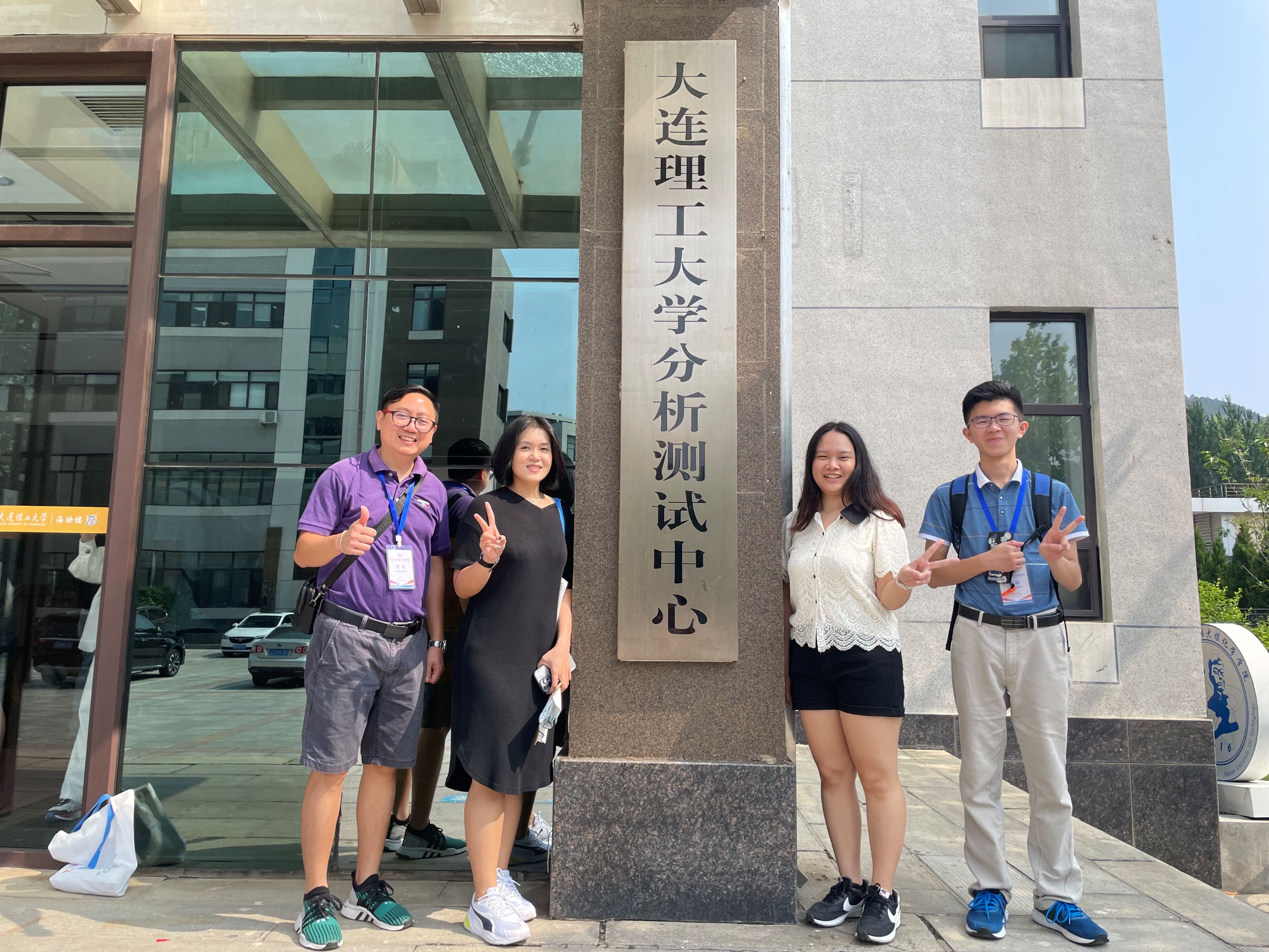
The cohort from TAR UMT at the DUT Instrumental Analysis Centre (from left to right): Dr Yeo, Racheal Wong Kar Yee from the Bachelor of Tourism Management (Hons) Event Management, Soon Jia Yue from the Bachelor of Business (Hons) Accounting and Finance and Teoh Jiat Sheng from the Diploma in Electronics Engineering.

Jiat Sheng trying out an instrument at the Dalian Urban Music Centre.
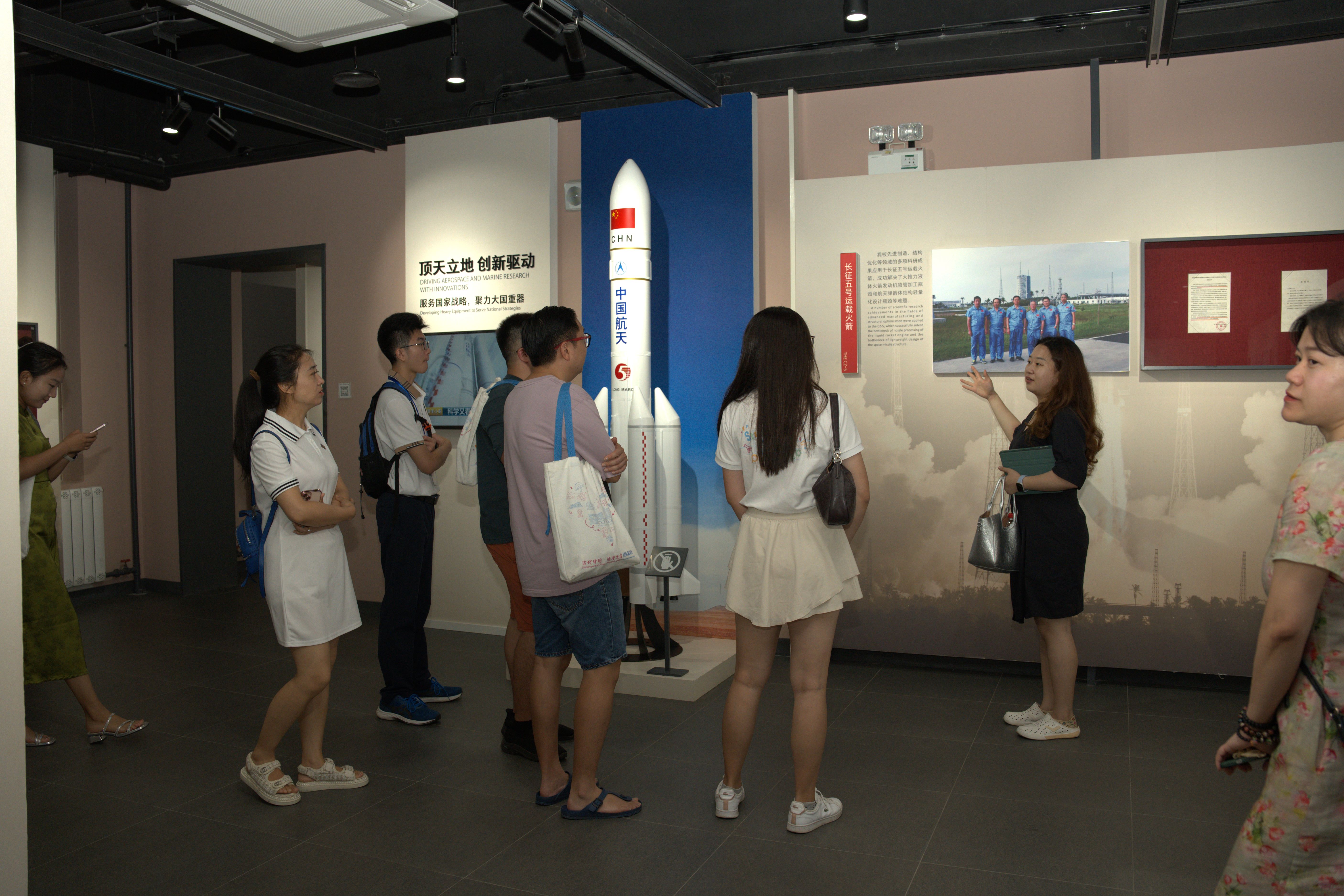
The summer school programme participants at the History Museum of DUT.

The cohort of summer school programme students from around the world at the Dalian Musuem.
To promote TAR UMT's internationalisation efforts and instil a global perspective in students, a group of students led by Dr Yeo Kwok Shien, Associate Dean of the Department of Electrical and Electronics Engineering of the Faculty of Engineering and Technology (FOET) participated in the International Summer School Programme at Dalian University of Technology (DUT) in China from 21 July to 3 August 2024. Themed ‘Contemporary China Romantic Dalian,’ the programme featured diverse courses and activities, fostering cultural exchanges and enriching students’ understanding of global perspectives. TAR UMT and DUT are strategic partners under the ASEAN-China Network for Cooperation and Exchange among Engineering and Technology Universities. Dr Yeo shares about his experience below.
Participating in this summer school programme has been an incredibly enriching experience, both academically and culturally. From the moment we arrived in Dalian, a picturesque coastal city known for its pleasant climate and vibrant atmosphere, we were immersed in a unique blend of modernity and tradition.
The programme offered a comprehensive curriculum focused on contemporary China, covering subjects such as Chinese politics, economics, its culture, and society. Expert professors shared insightful research work that deepened our understanding of China's rapid development and its role in the global arena. Engaging in these academic sessions alongside students from diverse backgrounds fostered lively discussions and a dynamic learning environment.
Beyond the classroom, the summer school programme provided numerous opportunities for cultural immersion. We explored historical sites, such as the Dalian Modern Museum and Xinghai Square, and participated in traditional Chinese arts like calligraphy and tea ceremonies. These activities allowed us to appreciate the rich cultural heritage of China while also understanding its contemporary context.
One of the highlights of the programme was the chance to interact with local students and residents. This interaction not only improved our Mandarin language skills but also gave us a genuine insight into the daily lives and perspectives of the Chinese people.